
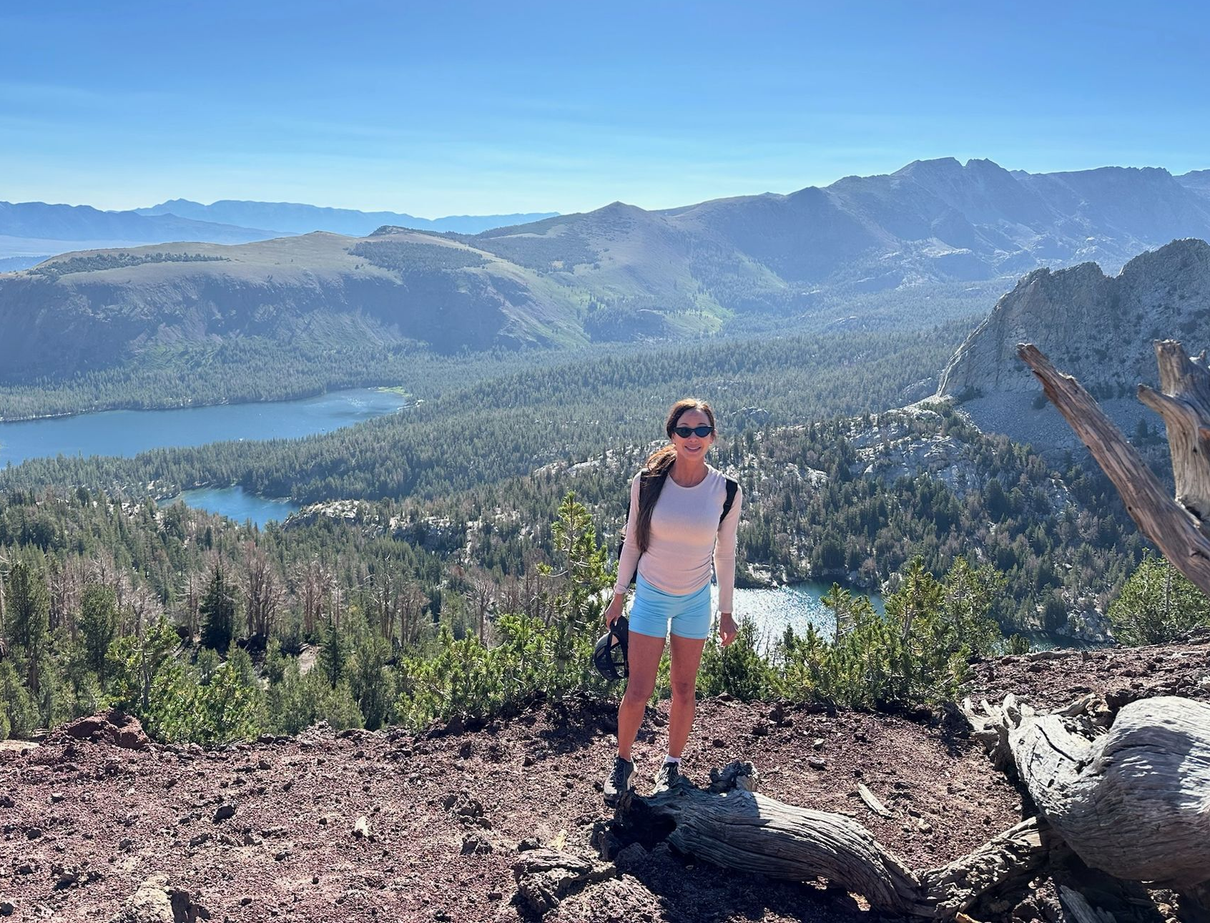
About the Therapist
Robyn Firtel
MA, LMFT
**Welcome to Betrayal Trauma Therapy**
At Betrayal Trauma Therapy, we understand that experiencing betrayal can be one of the most painful challenges in a relationship. Led by Robyn Firtel, a trained therapist with expertise in structured therapy for betrayal trauma, we’re here to help guide you through the healing process.
Robyn has been trained by Pia Mellody at The Meadows and brings a compassionate, structured approach to therapy. Our work focuses on rebuilding trust, not just in the relationship but also within yourself. We believe that couples who face betrayal need a clear, supportive framework to navigate their emotions and reconnect meaningfully.
She has been in private practice all referral based since 2002.
In our sessions, we work collaboratively to identify a tailored structure that meets your unique needs. Whether you’re an individual seeking to process your feelings or a couple ready to work toward healing, we are dedicated to providing a safe space for growth and recovery.
Recovery from betrayal is possible, and you don’t have to do it alone. Let’s take this journey together at Betrayal Trauma Therapy, where hope and healing await.
With a Bachelor of Arts in Social Ecology from UC Irvine, earned in 1997, she embarked on a fulfilling journey in mental health. Following her passion, she completed a Master's Degree in Marriage and Family Therapy, enriched by extensive training and internships at UCSD and Scripps Hospital, focusing on addiction and recovery. Her hands-on experience at the Scripps McDonald Center on the inpatient unit allowed her to develop a deep understanding of trauma and healing. Now, at Betrayal Trauma Therapy, she specializes in providing compassionate support for individuals and couples navigating the complexities of relationship betrayal, helping them find the path to emotional recovery and resilience.
Areas of clinical expertise include:
- Betrayal trauma recovery
- Relationship infidelity and trust repair
- Attachment disruption and insecure bonding patterns
- Trauma-informed individual therapy
- Couples therapy after betrayal
- Post Induction Therapist Expert
This work matters deeply -- each client who walks through the door carries a unique story, and it is a privilege to be trusted with it. Every therapeutic relationship is entered with full commitment to the client's healing on their own terms and timeline.
Therapeutic Approach
How We Work Together
Every session is built around safety, non-judgment, and your pace. There is no fixed script for healing from betrayal trauma -- sessions are shaped by where you are that week, what feels possible, and what you most need from our time together. You will not be pushed into territory you are not ready for, and you will not have to justify your feelings to be believed.
Trauma-informed care means understanding that betrayal trauma changes how your nervous system responds to the world -- how you sleep, how you connect, how you perceive safety in your own body. For betrayal specifically, the person who hurt you is also someone you loved, which creates a uniquely disorienting experience that conventional stress frameworks do not capture. Trauma-informed practice holds that complexity without minimizing it.
The approaches I draw on include:
- Trauma-informed therapy (centering nervous system safety throughout)
- Attachment-based therapy (exploring how early bonds shape current relational pain)
- Post Induction Therapy for trauma and betrayal
- Cognitive Behavioral Therapy
- Satir Family Systems
- Gestalt Therapy
Most clients begin with weekly sessions to build consistency and momentum; cadence adjusts as healing progresses. Goals are set collaboratively -- I bring clinical direction and you bring the lived expertise of your own experience, and we build the path forward together.

Why This Work
Why I Specialize in Betrayal Trauma
Early in my clinical career, I noticed again and again how little the existing trauma literature spoke to the particular devastation of being hurt by someone you trusted completely. Clients carrying this wound were often told their grief was an overreaction, their suspicion was controlling, or their pain would simply pass with time -- responses that compounded the original injury. I stayed close to this population because the gap between what they needed and what the field offered was too significant to look away from.
What I observe consistently in betrayal trauma clients is that the relational bond is both the source of the wound and the context in which healing must eventually occur -- whether within the relationship or as a survivor learning to trust again. This makes betrayal trauma categorically different from other forms: the nervous system must simultaneously process grief, vigilance, and the potential for renewed intimacy, often all at once.
Every person who has experienced betrayal deserves care that meets the full weight of that experience -- not a scaled-down version of generic trauma therapy, but a practice built from the ground up around what recovery from broken trust actually requires.
Credentials & Affiliations
Licensure, Training & Professional Memberships
The following credentials reflect my ongoing commitment to evidence-based, specialized care for betrayal trauma survivors.
Licensure
Licensed Marriage and Family Therapist (LMFT), State of California. License No. 39179, issued 2002. This license authorizes the independent practice of marriage and family therapy, including diagnosis and treatment of mental and emotional disorders within the context of human relationships.
Specialized Training
Extensive training with Pia Mellody in Post Induction Therapy. Certified Trauma Informed Therapist who has been recognized as a leading expert at relational trauma
Professional Memberships
Member, American Association for Marriage and Family Therapy (AAMFT). Member, California Association of Marriage and Family Therapists (CAMFT). Affiliate member, EMDR International Association (EMDRIA). Member, Association of Partners of Sex Addicts Trauma Specialists (APSATS).
Continuing Education
Annual continuing education is maintained with intentional focus on betrayal trauma, attachment neuroscience, and somatic approaches to trauma resolution. Staying current with evolving research ensures that clinical practice reflects the most effective and evidence-aligned methods available to clients today. She has extensively trained with Pia Mellody in Post Induction Therapy.